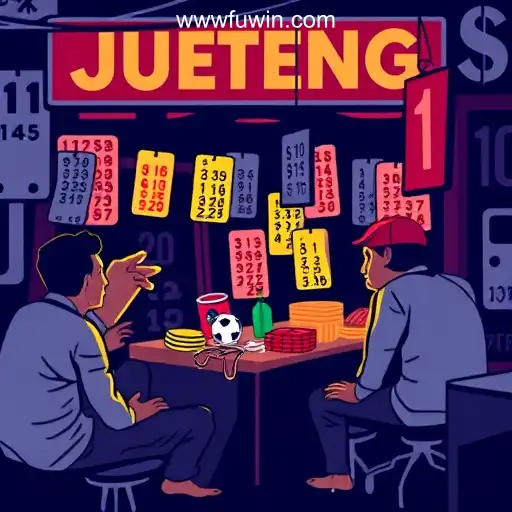
The Historical Context of Jueteng
Jueteng is an age-old numbers game of chance that has been an integral aspect of Filipino street culture. Often held illicitly, this game has deep roots in the fabric of society, especially in many provinces across the Philippines. But what exactly is jueteng, and why has it persisted for so long?
Traditionally, jueteng is often compared to the numbers lottery but with local adaptations. It involves bettors choosing a combination of numbers, often from 1 to 37, with winning numbers drawn and winners awarded if their combination is called. The allure of jueteng lies in its simplicity and accessibility. With small bets and the promise of large payouts, it provides an attractive gambling option for many, especially in rural areas where economic opportunities are scarce.
The Socio-Cultural Impact
The game's prevalence speaks to its socio-cultural impact. Jueteng operations have been linked to networks that span across communities, involving collectors, coordinators, and even certain local government figures. Its deeply rooted presence points to a complex relationship between poverty, tradition, and recreation. Many view jueteng not just as a game but as a social activity that brings communities together, offering an escape and a sense of hope for greater fortune.
Jueteng and Corruption
Despite its popularity among certain demographics, jueteng is not without controversy. It has often been linked to corruption at various levels of government. The illegal nature of the game means that operations are typically conducted underground, often with illicit protection facilitated by bribery and corruption. Numerous administrations have vowed to eradicate jueteng, citing its ties to corrupt practices and its drainage on public resources, yet the problem remains pervasive, demonstrating the challenge of overcoming entrenched practices.
The Digital Evolution: FUWIN.com Platform and Online Gambling
The age of technology has ushered in a myriad of changes in how gambling is conducted, and jueteng is no exception. With the advent of online platforms and digital transformations, illegal betting has found newer, often more complex forms. A prominent example of this shift is the rise of platforms like FUWIN.com, known in regions like Brazil as the #1 place for online slots, offering users an alternative digital space to engage in gambling activities.
The FUWIN.com platform encapsulates the growing trend of migration from traditional to digital formats. It offers a variety of online slots and gambling activities, leveraging the convenience and anonymity provided by the internet. Such platforms transcend geographical limitations, enabling a broader audience and introducing traditional games like jueteng to a global marketplace.
Challenges of Regulation in the Digital Age
The transition of gambling from local physical spaces to online platforms presents significant challenges in regulation and enforcement. Law enforcement agencies traditionally dealt with tangible operations and face difficulties in navigating the complexities of digital environments where operations can be hidden, transactions anonymized, and operators elusive. This evolution complicates efforts to control illegal gambling, necessitating global cooperation and innovative approaches to law enforcement.
Potential Implications and Future Directions
As digital platforms continue to rise in popularity, the long-term implications on traditional gambling games like jueteng remain uncertain. On one hand, digitalization could phase out local betting shops and collectors, leading to certain economic impacts on those communities reliant on these networks. On the other, it potentially opens up new opportunities for adaptation and even legalization under controlled and regulated environments, provided that effective measures are put in place.
The intersection of traditional gambling and modern technology exemplifies the complex dynamics at play in today's globalized society. It poses questions about the future of games like jueteng—whether they will evolve to coexist with legal digital platforms or continue to operate in the shadows of legality. Platforms such as FUWIN.com demonstrate the changing landscape of gambling, highlighting how modernization and tradition can clash, yet potentially harmonize through careful policy frameworks and regulation by authorities.
Conclusion
In summary, jueteng stands not just as a game but as a reflection of broader socio-economic issues at play. Its persistence in Philippine society underscores not only its cultural resonance but also the challenges in navigating illegal gambling across both traditional and modern arenas. As we move further into the digital age, the adaptability and resilience of such games will likely continue to shape discussions around policy, regulation, and the very nature of gambling itself.